
Research
Global South
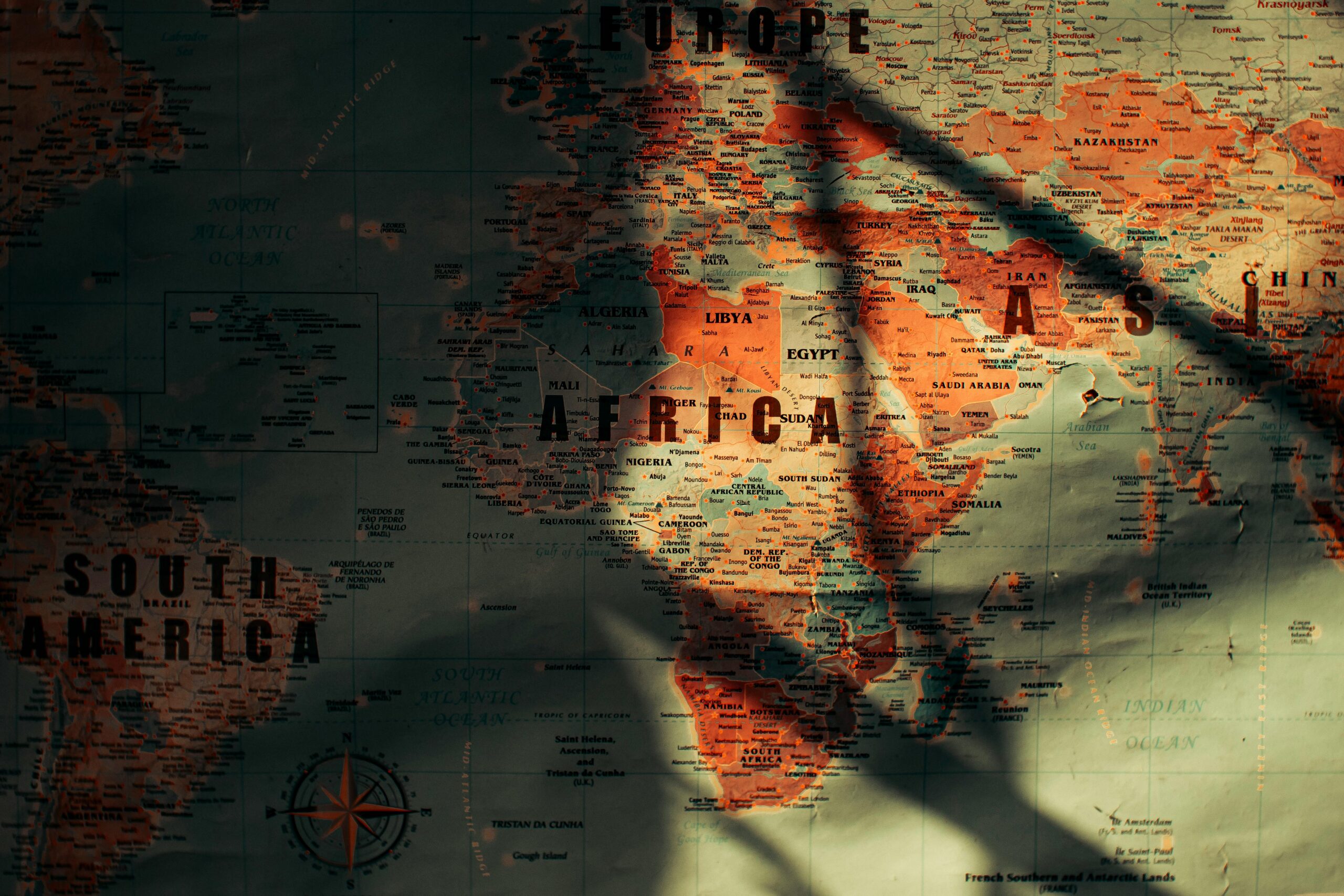
The Global South is not a subject of study. It is the source of solutions.
For too long, the policies shaping the Global South have been written by those looking in from the outside. The world’s most consequential decisions — on development, climate, trade, and governance — have been filtered through a Global North lens, leaving the lived experiences, wisdom, and priorities of billions of people on the margins.
CIDCS exists to change that.
Imperialism
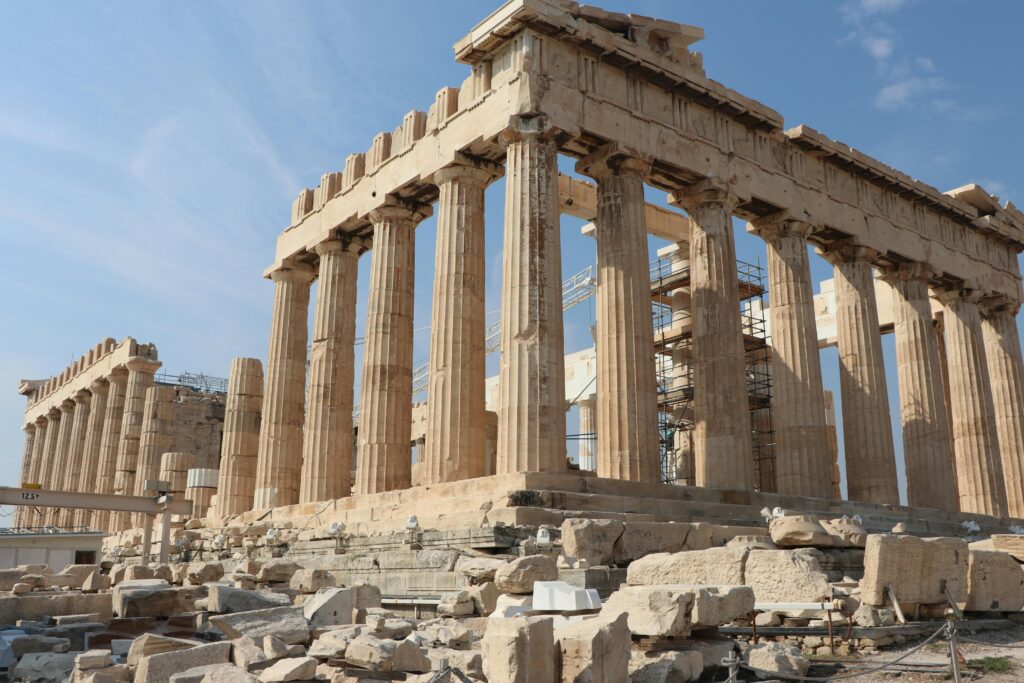
The rules-based international order was never neutral. Built on centuries of colonial extraction and enforced through Global North institutions, it continues to shape who sets the agenda — and who is left to follow it. From trade policy to development aid, the architecture of global power still reflects the interests of those who designed it.
CIDCS confronts this legacy head-on — not with resentment, but with rigorous scholarship and the determination to build something better.
Religion, Islam and the Contemporary World
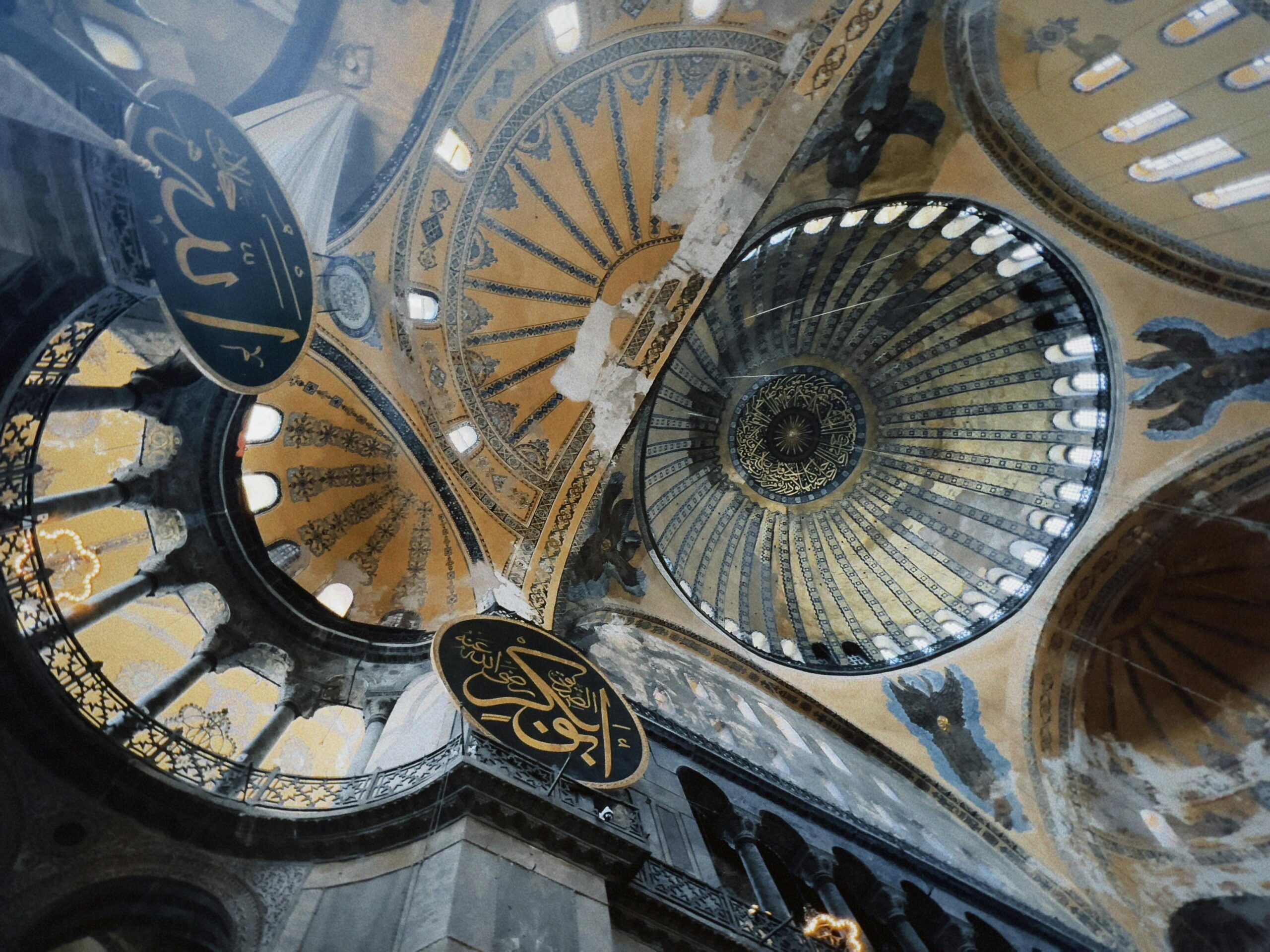
In an era of rising geopolitical tensions and deepening civilisational misunderstanding, religion is too often weaponised — reduced to a source of conflict rather than recognised as a profound reservoir of wisdom, ethics, and communal resilience.
CIDCS takes a different view. Islam, like all great civilisations, carries within it centuries of intellectual tradition, governance philosophy, and social thought that have much to contribute to the challenges of the modern world.
Faith is not a barrier to progress. It is one of humanity’s most enduring frameworks for justice — and it deserves a seat at the table where the world’s future is being decided.
Women, Islam and OIC
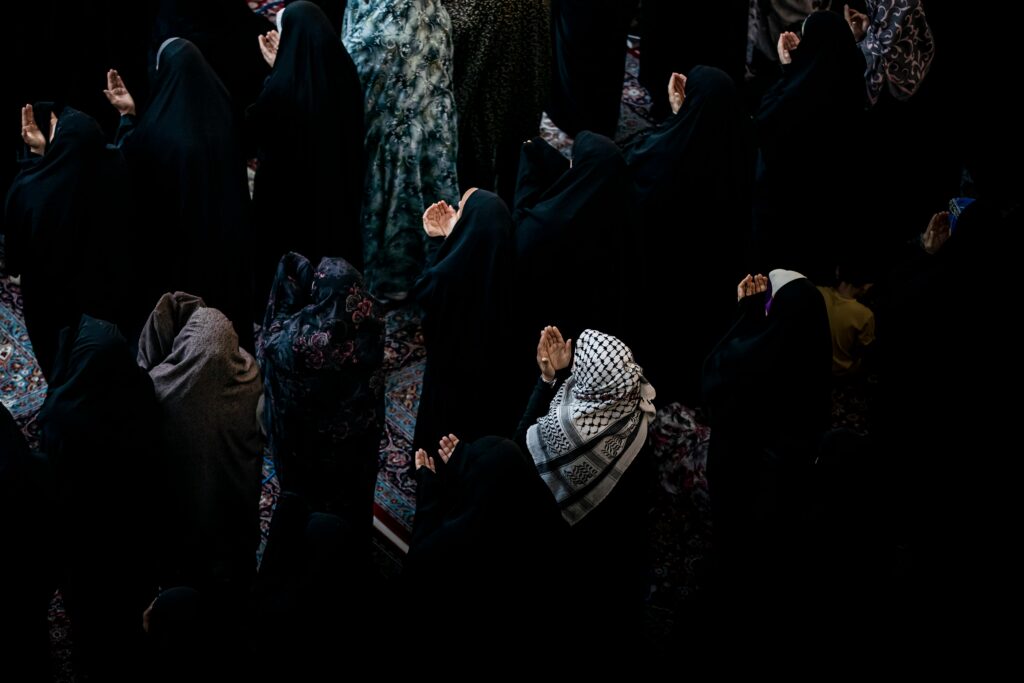
Half the world’s voices have been systematically excluded from the institutions that claim to speak for all of humanity. For Muslim women across the Global South, this exclusion is compounded — by colonial assumptions, by narrow interpretations of faith, and by international bodies that too often treat their realities as footnotes.